All production processes are strictly guaranteed, ensured strict compliance with requirements for quality and food safety. From pre-processing to finished products, ensure maximum economization and the most effective.
We understand that any industrial-scale manufacturing plant has a major impact on the surrounding environment and that in the long run, it is the life of all mankind. We closely monitor the use of chemicals, additives, and raw materials, and monitor and reduce emissions, and water consumption and discharge.
Sustainable sourcing
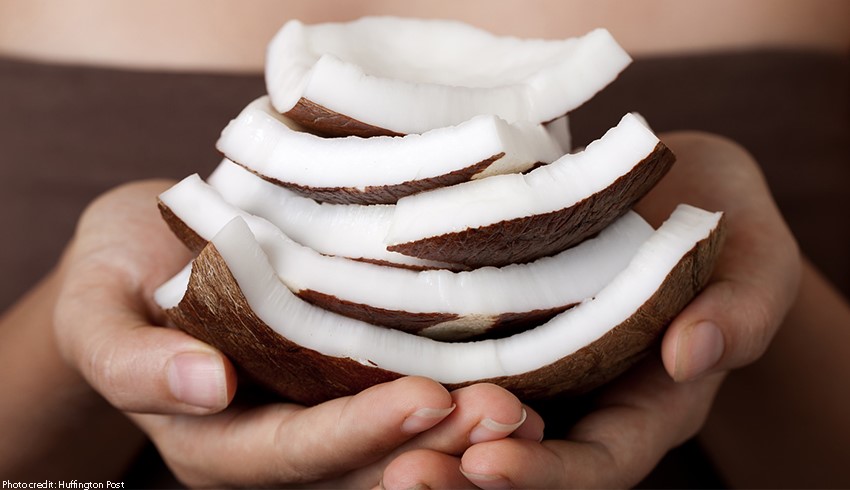
Fresh coconut meat
Natural coconut meat from organic coconut gardens is not affected by chemical fertilizers and pesticides. The coconut tree is a plant that is completely nourished by the bed accretion of the Mekong River. From here, the pieces of fresh coconut meat are passed through the pre-processing, washed and put into the production process. We always try to slack off the wastewater and optimize the methods of cleaning coconut meat to save clean water, and ensure the quality of raw materials. Over the previous years, the mechanical engineering department also constantly researches to upgrade the machine to be more optimal in terms of time and save water.
Recyclable packaging is preferred
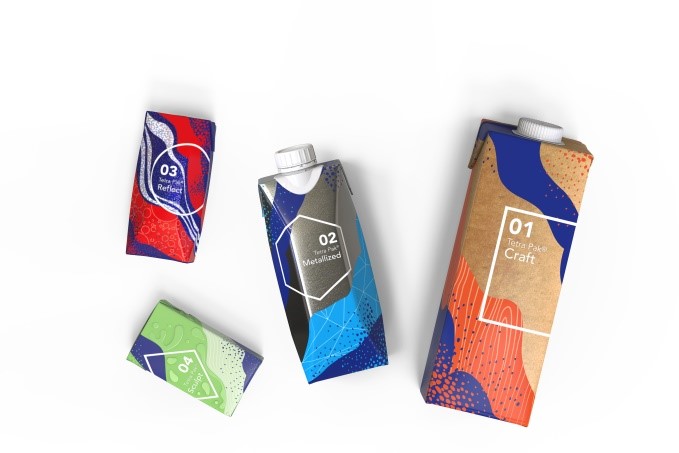
Tetra Pak packaging is a very light package for aseptic purposes, ensuring nutritious foods and vitamins from raw materials. The main material in the TetraPak package is paperboard. They use just enough to make the package stable, without adding unnecessary weight. Paperboard is a renewable material, made from wood. As a result, it can be recycled to take advantage of up to 50 - 55% of pulp, helping to save energy and protect the environment.
In particular, the Tetra Pak packaging has been certified by FSC (Forest Stewardship Council - Forest Management Council) to contribute to protecting forest resources and renewable resources.